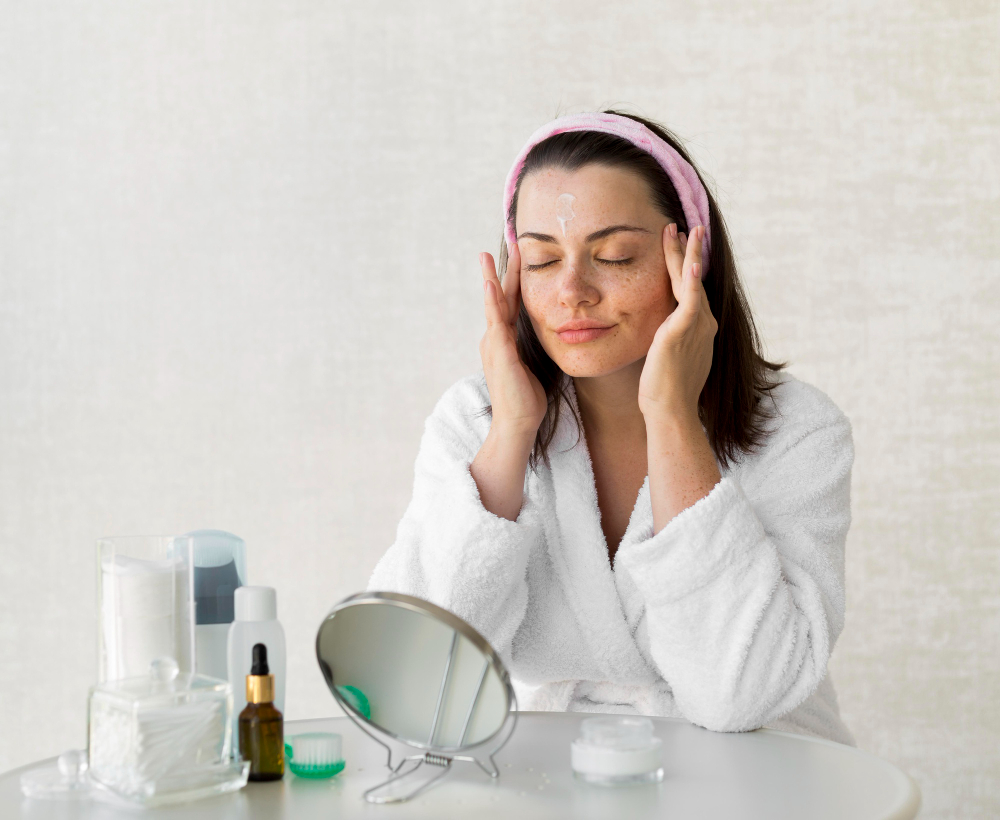
Your skin barrier is your body’s first defense. However, many people believe skincare myths that harm your skin barrier. These common skincare misconceptions can lead to irritation and dryness. In this blog, you will learn about skin barrier health, protecting your skin barrier, and how to avoid mistakes that can damage it.
What Is the Skin Barrier?
First, let’s understand what the skin barrier is. The skin barrier is the outermost layer of your skin. It acts like a shield. This layer keeps moisture in and blocks out germs, dirt, and harmful chemicals. When your skin barrier is healthy, your skin feels soft and smooth. But if it is damaged, your skin can become dry, itchy, or red.
Why Is the Skin Barrier Important?
Clearly, the skin barrier does more than just protect. It helps your skin stay hydrated. It also prevents infections and keeps out irritants. In fact, a strong skin barrier is key for healthy, glowing skin. If you damage this layer, your skin may become sensitive or even develop rashes. According to the American Academy of Dermatology, keeping your skin barrier healthy is vital for overall skin health.
Common Skincare Myths That Harm Your Skin Barrier
Many people follow advice that sounds helpful but can actually hurt their skin. Here are five common skincare myths that harm your skin barrier:
Risks and Consequences of Damaging Your Skin Barrier
When you harm your skin barrier, problems can follow. For example, your skin may become red, itchy, or flaky. Sometimes, you might notice more breakouts or stinging when you use products. Over time, a weak skin barrier can let in germs and allergens. This increases your risk of infections and allergies. According to dermatology research, a damaged barrier can even make some skin conditions worse, such as eczema or acne.
Evidence-Based Tips to Protect and Restore Your Skin Barrier
Thankfully, you can take steps to protect your skin barrier. Here are some proven tips:
According to the World Health Organization and leading dermatologists, these habits help keep your skin barrier strong and healthy.
Prevention: How to Avoid Harmful Skincare Practices
To prevent damage, always check the facts before trying new skincare trends. Read product labels and avoid harsh ingredients. If you are unsure, ask a dermatologist for advice. Remember, less is often more when it comes to skincare. Simple routines are usually safer and more effective.
In summary, protecting your skin barrier is key for healthy skin. Avoid common skincare myths that harm your skin barrier. Instead, follow evidence-based tips and consult a dermatologist for personalized skincare advice.