Introduction
Emotional balance means staying calm and steady, even when life gets tough. It helps you handle stress and strong feelings in a healthy way. But did you know that emotional balance for skin and hormone health is also important? In fact, your feelings can affect your body in many ways. For example, stress and skin problems often go hand in hand. Hormonal acne and emotions are also closely linked. When you care for your mind, your skin and hormones can benefit, too.
How Emotions Affect Skin Health
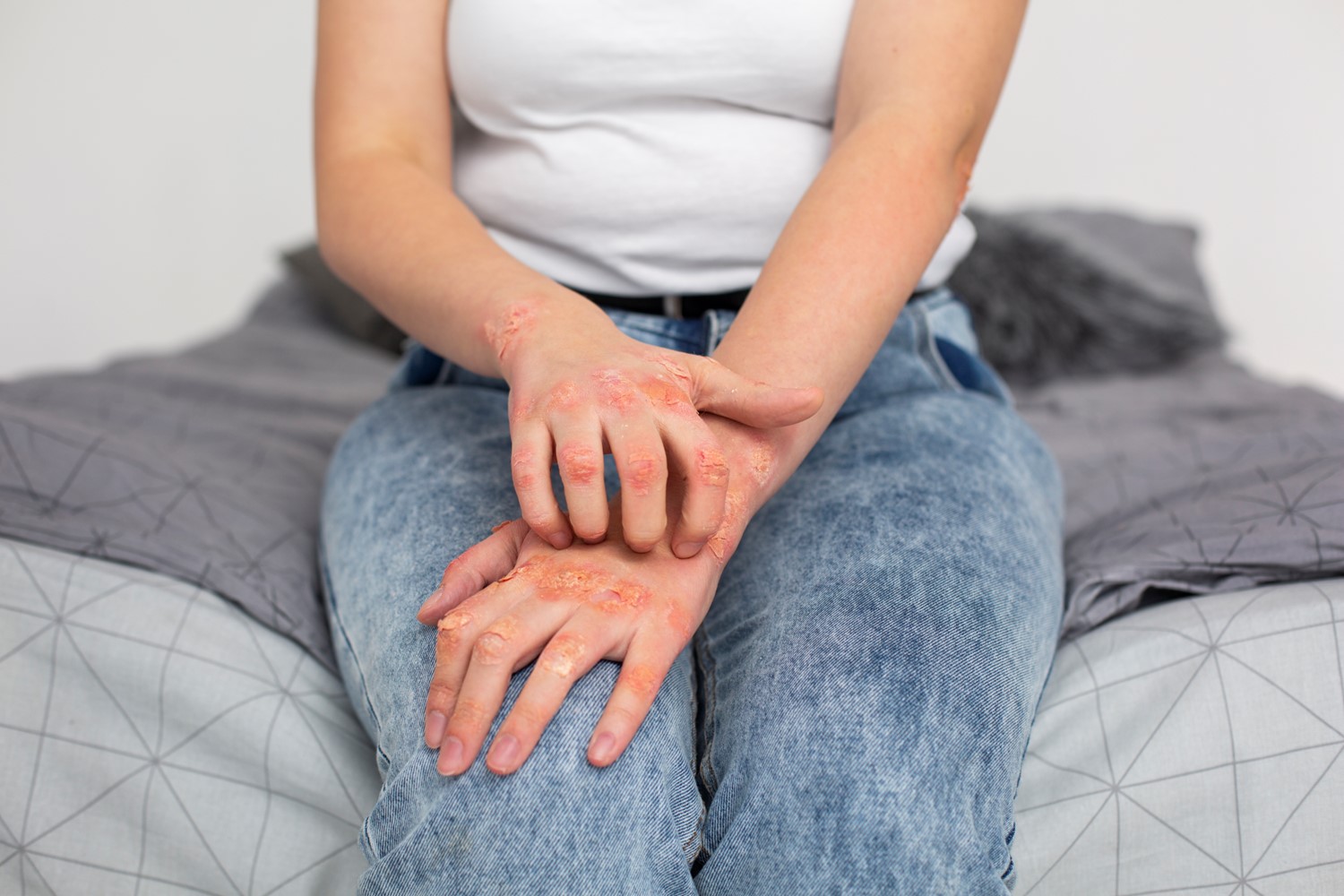
Our skin is sensitive to how we feel. When you are stressed or upset, your body releases certain chemicals. These can make skin problems worse. For instance, stress can cause your skin to become oily or dry. It may also lead to breakouts or rashes. In some cases, you might notice redness, itching, or even hair loss. Because your skin reacts to your emotions, it is important to pay attention to your feelings.
According to the American Academy of Dermatology, mental health and skin care are closely connected. So, taking care of your emotions can help your skin look and feel better.
Emotional Balance and Hormonal Regulation
Emotions do not just affect your skin. They also play a big role in hormone health. When you feel stressed, your body makes more of a hormone called cortisol. High cortisol can upset the balance of other hormones. This may lead to problems like hormonal acne, irregular periods, or trouble sleeping. In addition, mood swings can make these issues worse.
For example, stress and emotions can cause:
Therefore, keeping your emotions in check helps your hormones stay balanced. This supports healthy skin and overall well-being.
Practical Tips for Maintaining Emotional Balance
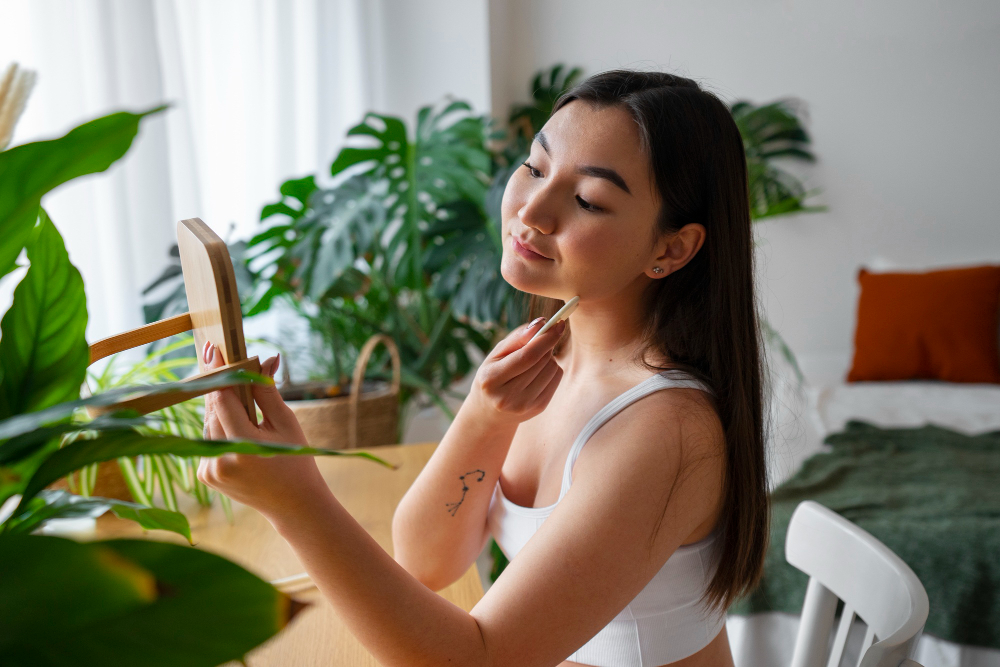
Luckily, there are many ways to support emotional balance for skin and hormone health. Even small changes can make a big difference. Here are some easy tips you can try:
Additionally, try to avoid things that make you feel worse, such as too much caffeine or screen time. Remember, self-care is not selfish. It is a key part of staying healthy inside and out.
Prevention and Long-Term Benefits
Taking care of your emotions now can prevent problems later. For example, managing stress can lower your risk of skin flare-ups and hormone issues. Over time, you may notice clearer skin, better mood, and more energy. In fact, studies from the World Health Organization show that emotional wellness supports your whole body. So, making emotional balance a daily habit can help you stay healthy for years to come.
When to Seek Professional Help
Sometimes, self-care is not enough. If you notice ongoing skin problems or mood changes, it may be time to get help. For instance, you should see a dermatologist if you have severe acne, rashes, or hair loss. Likewise, talk to a mental health specialist if you feel sad, anxious, or stressed most days. Early support can prevent bigger problems and help you feel better faster.
Remember, asking for help is a sign of strength, not weakness.
Consult a specialist for personalized guidance on emotional balance and skin health.