What is Chemical Peeling?
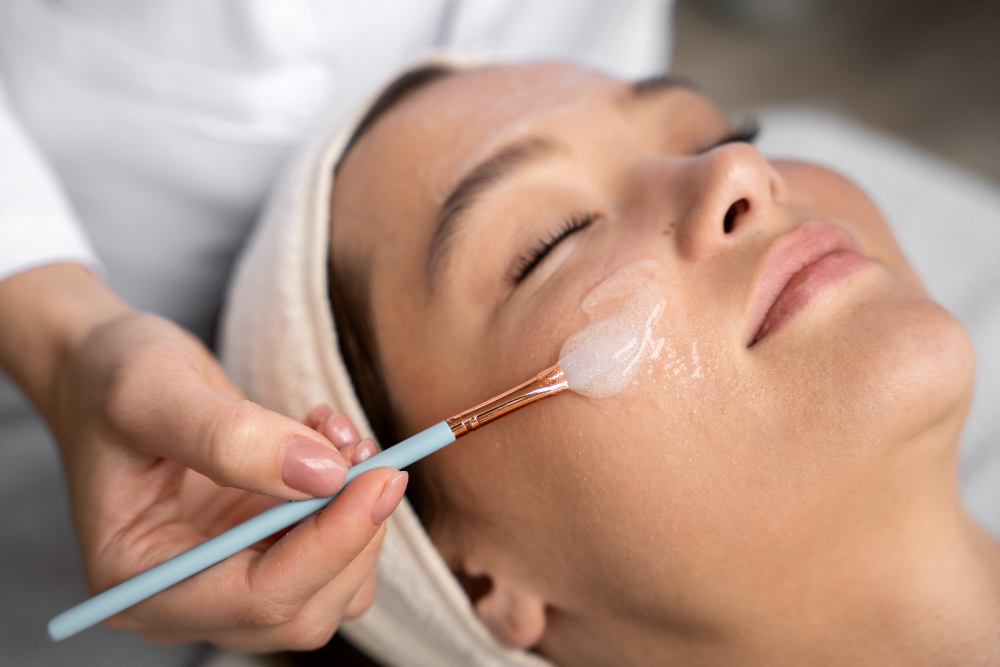
Chemical peeling is a popular skin treatment in dermatology. It uses a special solution to remove the top layers of skin. As a result, new, smoother skin can appear. Many people choose chemical peeling for skin rejuvenation, acne scars, and uneven skin tone. In fact, the chemical peel procedure is safe when done by a trained professional. Safe chemical peeling can help improve your skin’s look and feel.
Types of Chemical Peels
There are three main types of chemical peels. Each type targets different skin concerns and depths:
For best results, your dermatologist will suggest the right type for your skin.
Benefits of Chemical Peeling
Chemical peeling offers many benefits for your skin. For example, it can:
Moreover, a professional chemical peel can help you feel more confident about your skin. Many people notice smoother, clearer skin after treatment.
The Chemical Peeling Procedure
Before the procedure, your dermatologist will check your skin and discuss your goals. Next, they will clean your skin and protect your eyes and hair. Then, they will apply the chemical solution to your skin. You may feel a mild stinging or burning for a few minutes. After a set time, the solution is removed or neutralized. Finally, your skin will be soothed with cool compresses or creams.
The whole process usually takes 30 to 60 minutes. For deeper peels, you may need pain relief or sedation. Most people can go home the same day.
Risks and Side Effects
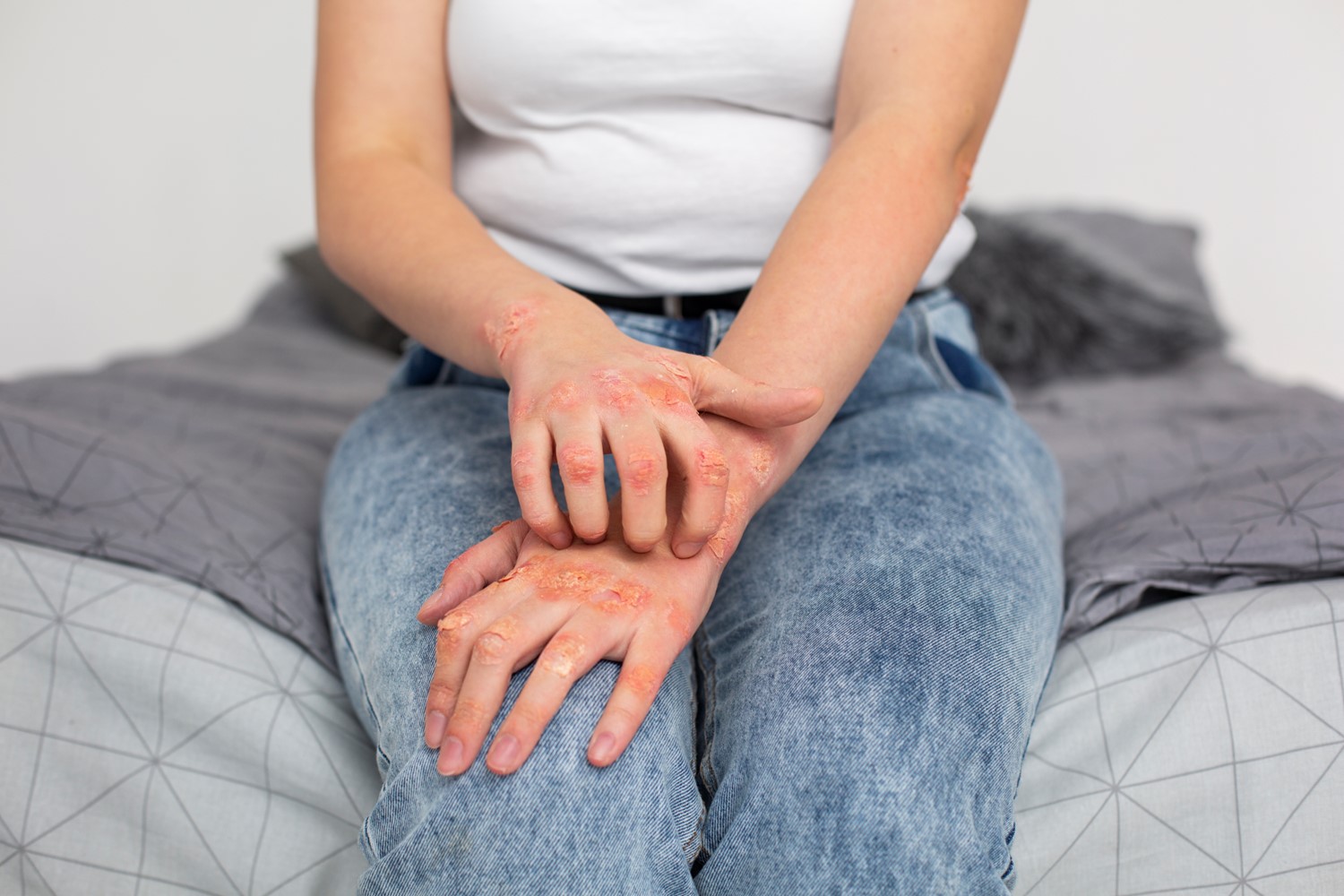
While chemical peeling is safe for most people, there are some risks. Common side effects include:
Rarely, infection or scarring can occur. However, choosing a certified dermatologist lowers these risks. Always follow chemical peeling safety tips to prevent problems. According to the American Academy of Dermatology, most side effects are mild and go away within a week.
Aftercare Tips
Proper aftercare is key for safe healing and great results. Here are some important tips:
In addition, drink plenty of water and avoid harsh treatments until your skin heals. If you notice severe pain, swelling, or signs of infection, contact your doctor right away.
Who Should Avoid Chemical Peeling?
Chemical peeling is not right for everyone. You should avoid this treatment if you:
Always tell your dermatologist about your health history. This helps them choose the safest option for you.
Frequently Asked Questions
In summary, chemical peeling can refresh your skin and boost your confidence. However, it is important to choose a skilled professional and follow aftercare advice. For the best results, consult a certified dermatologist to find out if chemical peeling is right for your skin.